What is Neurodiversity?
A guide to better understand the unique thinking styles and needs of yourself or your child.
Start nowThe Basics of Neurodiversity
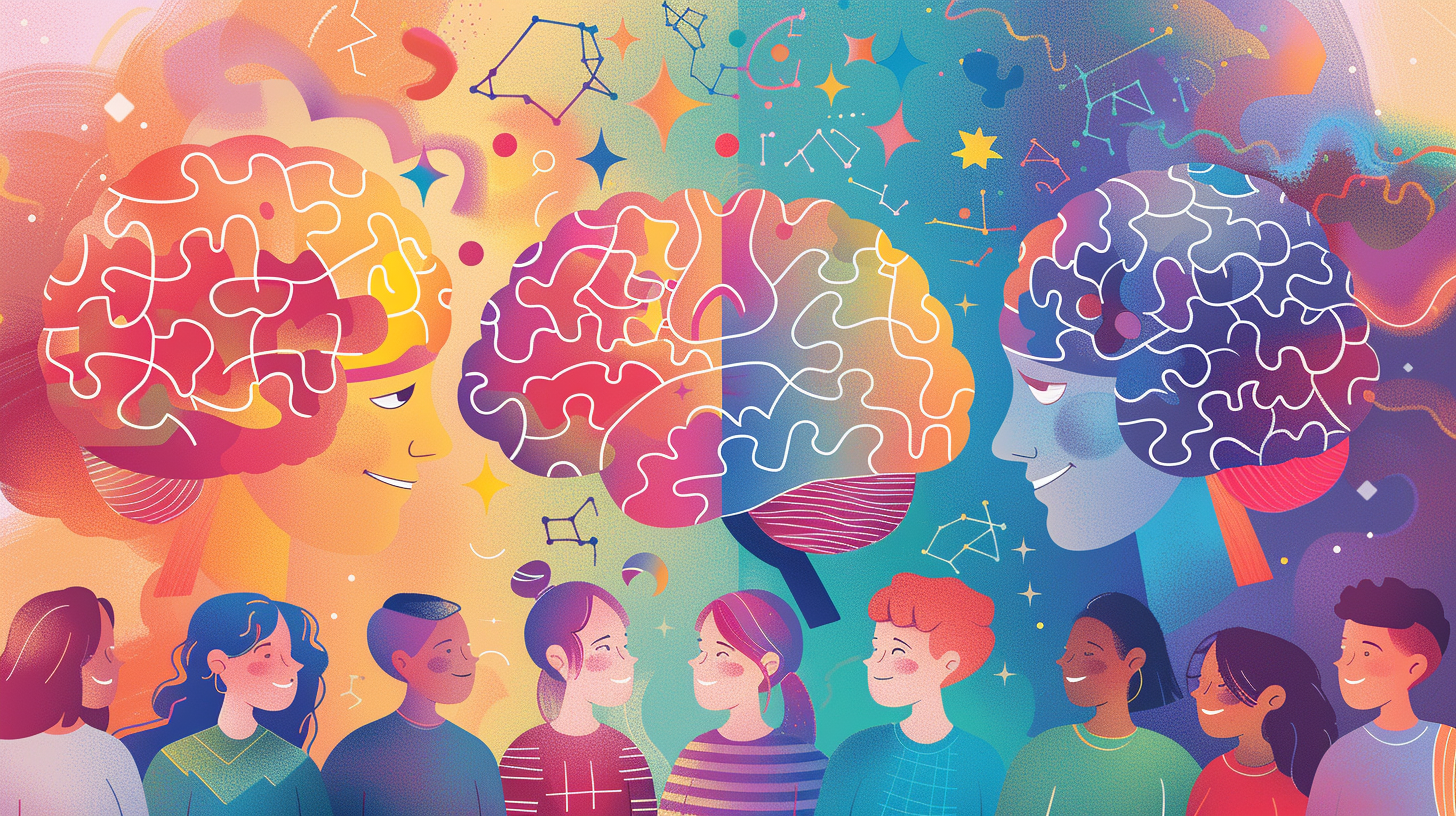
Neurodiversity is the idea that differences in brain function and behavioral traits are normal variations within the human population. Just as we differ in height, hair color, or talents, our brains also differ in how they process information, learn, and experience the world.
Neurodivergence vs. Neurotypical
Terms like ADD/ADHD, autism (ASD), high sensitivity (HSP), dyslexia, and dyscalculia fall under the umbrella of neurodivergence. This means that the brain processes information differently than what is considered 'neurotypical' (the most common way).
A Matter of Recognition and Appreciation
It's important to remember that neurodiversity is not a disease or disorder that needs to be 'cured.' It's about recognizing and valuing these differences, understanding both the strengths and challenges that may come with them, and creating an environment where everyone can thrive.
You are there for your child by wanting to understand this — and that already makes all the difference.
Professional Help and Support
The information and tools on MindNavigator are intended for self-insight, education, and providing practical guidance. They are not intended as a replacement for professional diagnosis or treatment.
If you or your child are struggling with complaints, or if you suspect a specific neurodivergent trait and need a formal diagnosis or specialized guidance, it is important to contact a qualified professional.
You might consider:
- Your general practitioner (for an initial consultation and possible referral)
- A pediatrician or youth doctor
- A licensed psychologist, child and youth psychologist, or educational specialist
- Specialized centers for diagnosis and treatment of, for example, ADHD, autism, etc.
- The school counseling service or care coordinator at school
They can conduct an appropriate assessment, make a possible diagnosis, and advise on the most suitable help and support for your specific situation.
What does MindNavigator do?
A clear brain profile as a starting point — not a diagnosis, but direction.
MindNavigator was developed for parents who want to understand how their child thinks, learns and experiences the world. Not to attach a label, but to start a conversation — with your child, with school, or with a professional.
Brain profile in 20 minutes
You answer targeted questions about 5 or 8 executive function domains. The result is a personal profile of strengths and growth areas.
Strengths first
The report always starts with what is going well. Challenges are discussed in the context of what your child needs, not what is wrong.
Educational, not diagnostic
MindNavigator does not make diagnoses. It provides insight — as a basis for a conversation with school, your family doctor or a specialist.
Practical tips
Every report contains concrete strategies you can apply tomorrow, tailored to the profile of your child.
Ready to take the next step?
Discover how MindNavigator can help you and your child